


Flood damage is one of the most important risks to screen for when shopping for a used SUV. Water can reach wiring, computers, safety systems, upholstery, and mechanical components, and some problems may not appear until long after the vehicle looks dry. South Carolina drivers should stay alert because a vehicle can be moved and resold far from the place where flooding occurred. A few focused checks can reveal warning signs in minutes and help you decide when to slow down, ask for records, or request a professional inspection.
How to Check a Used SUV for Flood Damage
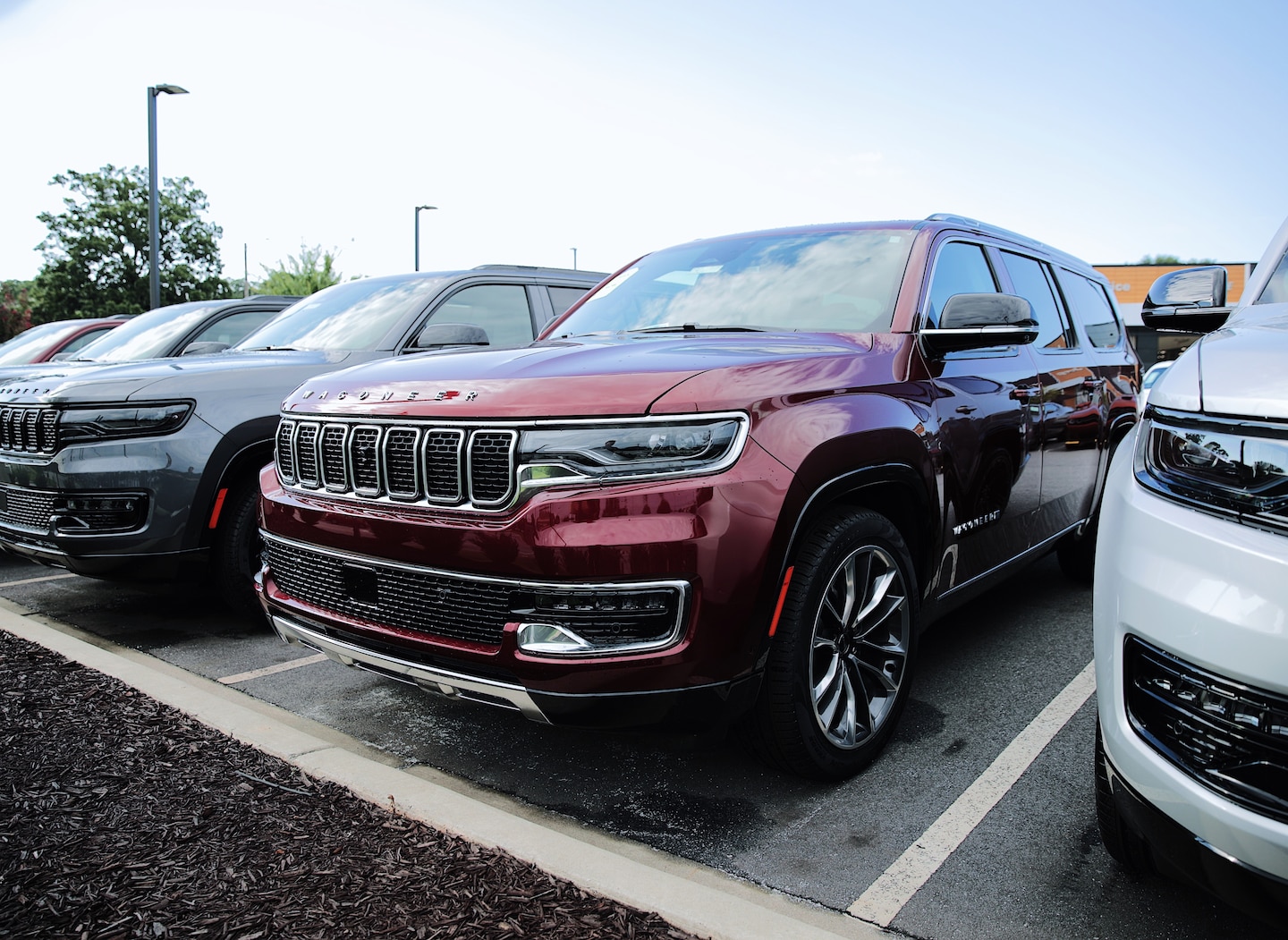
Begin with the smell test
Open every door and pause before starting the SUV. A persistent musty, moldy, or damp odor is a major warning sign. Strong air freshener, deodorizer, shampoo, or cleaning-chemical smells can also matter if they seem intended to cover another odor. Check the front footwells, second and third rows, cargo area, and spare-tire compartment because moisture may collect in one area rather than throughout the cabin.
Run the climate control on different fan speeds and switch between heat and air conditioning. A musty smell from the vents can indicate moisture in the ventilation system, although it can have causes other than flooding. The point is to combine clues. One odor alone may have an ordinary explanation; several water-related signs deserve a closer inspection.
Feel the carpet and inspect hidden edges
Press firmly on the carpet in the lowest parts of the cabin and cargo floor. Feel for dampness, unusual stiffness, uneven padding, or areas that seem newer than the rest of the interior. Look beneath removable floor mats and lift the cargo-floor panel. If the spare tire is accessible, check the well for standing water, silt, rust, water lines, or recently replaced tools.
Inspect the carpet edges where they meet the door sill and seat tracks without removing secured trim. Mud, sand, plant material, or a sharp color difference can remain in seams after a quick cleanup. Check whether the carpet, headliner, door panels, and seat fabric show mismatched colors or wear. New carpet in an otherwise well-used SUV is not proof of flood damage, but it should prompt a clear explanation.
Look at seat hardware and interior metal
Water often leaves evidence on metal parts that are rarely exposed during normal use. Move the front seats through their full range and inspect the visible seat rails, mounting bolts, brackets, and springs with a flashlight. Look for unusual rust, white or green corrosion, mud in bolt recesses, or tool marks suggesting recent removal.
Check metal hardware beneath the dashboard if it can be seen safely, along with cargo anchors and the lower portions of seat belts. Pull each belt out slowly and examine the webbing for discoloration, grit, or a musty odor. Do not remove panels or disconnect electrical components during a basic walkaround.
Check lights and electrical features
Floodwater and electronics are a costly combination. Start the SUV and watch the instrument panel. Warning lights should appear during the system check and then turn off as designed. A warning light that stays on, flashes, or never appears may require diagnosis. Do not assume a cleared dashboard means every system is healthy.
Test the power windows, locks, mirrors, seat controls, heated or ventilated seats, interior lights, exterior lights, liftgate, wipers, washer system, horn, USB ports, charging outlets, infotainment screen, speakers, cameras, parking sensors, and driver-assistance features that can be checked safely. Watch for flickering, slow movement, random alerts, distorted audio, or features that work intermittently. Multiple small electrical problems are more concerning than one failed switch.
Inspect lamps, lenses, and exterior seams
Look closely at the headlights, taillights, fog lights, and turn-signal housings. Condensation can sometimes occur without flood damage, but trapped water, heavy fogging, dirt inside a lens, or mismatched replacement lamps can add to the pattern. Check weather stripping around doors, windows, and the liftgate for dirt lines, looseness, or signs that trim was recently removed.
Open the hood and inspect accessible electrical connectors and the fuse-box area without unplugging anything. Watch for mud, silt, chalky residue, or greenish corrosion. Check the engine air-filter housing if a dealership representative or technician can help you access it; debris or a visible water line there deserves immediate investigation.
Review the title and vehicle history
Ask for the vehicle history report and compare it with the title information and the SUV in front of you. Look for registrations in areas affected by major storms, insurance-loss records, salvage or flood brands, unexplained ownership changes, and gaps in reported mileage or service. Verify that the vehicle identification number on the dashboard matches the labels and paperwork.
A clean title or history report does not guarantee that a vehicle never encountered water. Some incidents are not reported, and title-branding rules and records can vary. Treat the report as one part of the evaluation, not a replacement for the physical inspection. Certified Pre-Owned vehicles may include additional inspection and warranty benefits; ask which program applies to the specific SUV and review its written terms.
Take a short but deliberate test drive
During the drive, watch for warning messages, erratic gauges, rough shifting, hesitation, steering problems, brake concerns, or unusual sounds from the dashboard and doors. Run the climate control again and test the rear controls if the SUV has separate zones. After parking, check whether any warning lights have appeared and look beneath the vehicle for fresh drips. Water exposure can affect wheel bearings, brakes, differentials, and other mechanical parts as well as the cabin.
Know when to pause the purchase
One minor clue may have an innocent cause. Several clues in different areas should change your next step. A musty cabin, rusty seat rails, debris beneath the carpet, intermittent electronics, and a questionable history report together justify a professional inspection before you buy. If a seller discourages reasonable questions, refuses available documentation, or will not allow an inspection, be prepared to consider another SUV.
A qualified technician can inspect areas that are difficult to assess during a quick visit and scan vehicle computers for stored faults. No brief checklist can guarantee that an SUV is free from previous water exposure, but a careful walkaround can help you avoid rushing into a vehicle with unresolved questions.
Shop pre-owned SUVs with useful information in hand
Benson Chrysler Dodge Jeep Ram gives Greer-area shoppers a place to compare used SUVs, ask about available vehicle history and maintenance information, explore financing options, and take a meaningful test drive. The online inventory includes filters that can help you narrow the search before visiting, and CarFinder can help if the right combination of size, features, mileage, and budget is not currently listed.
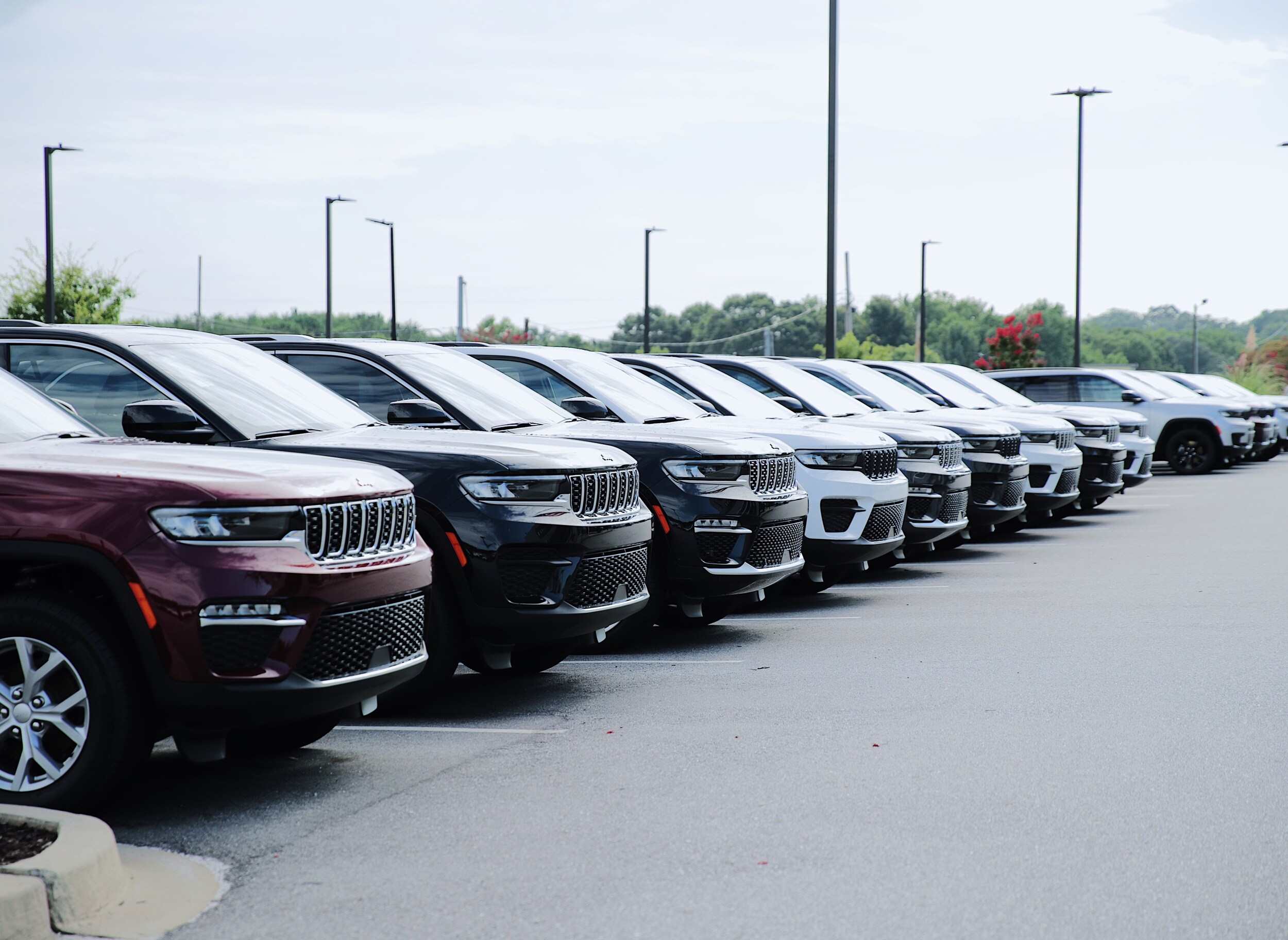
Start by browsing Benson CDJR's current pre-owned SUV inventory, then visit the dealership at 415 W Wade Hampton Boulevard in Greer. Bring this quick flood-damage checklist and ask the team to walk through any details you want to verify. The goal is simple: choose an SUV that fits your family and your budget with fewer unanswered questions.