Brake warning signs you shouldn't ignore
One symptom can have several causes, so a sound or dashboard alert won't tell you exactly what needs repair. Treat new or worsening symptoms seriously rather than diagnosing the vehicle yourself.
What squealing, grinding, or clicking brakes can mean
A brief squeal doesn't always mean the pads need replacement. However, repeated high-pitched squealing may point to worn brake pads, especially when it happens each time you apply the brakes.
Grinding deserves prompt inspection because severe wear can expose the metal backing on brake pads, allowing parts to rub together. Clicking or rattling also needs attention when it's new or happens repeatedly during braking.
Pay attention to when the noise occurs, but don't assume its volume tells you how serious the problem is. Our brake repair services in Greer address noise, spongy brakes, and slower-than-usual stopping.
When a brake warning light calls for quick action
A brake light, brake system warning light, and ABS warning light can indicate different issues, depending on your vehicle. Check the owner's manual, and report the exact symbol or message to the service team.
When it's safe, confirm the parking brake is fully released. Note whether the alert appeared at startup or during a trip.
If an alert persists or comes with weaker braking or unusual pedal movement, request prompt professional help. Those symptoms matter more than guessing at the meaning of the alert alone.
What a soft pedal, vibration, or pulling can tell you
Changes you feel through the pedal, steering wheel, or vehicle can be just as important as noise. Compare them with your vehicle's usual response.
A spongy pedal or one that sinks to the floor
A spongy pedal needs professional attention, as does one that sinks while you hold steady pressure or requires noticeably more effort than usual. Pedal feel alone can't identify the cause, but a technician can check for a low brake fluid level or a possible master cylinder issue.
These changes deserve attention even when the brakes remain quiet. A lack of noise doesn't establish that the system is working correctly.
Tell the technician whether the pedal feels different immediately, sinks, or changes while you hold it down. Don't try to identify or repair a component yourself.
Shaking, pulling, or a burning smell while braking
Vibration may reach your steering wheel, brake pedal, or both. Pulling can feel as though the vehicle changes direction when you apply the brakes.
An inspection is needed to establish the cause. Don't assume a steering-wheel shake automatically means one particular brake component needs replacement.
A hot or burning odor also deserves attention, particularly if it appears alongside another braking change. Tell the technician about the combination of symptoms rather than treating each one as a separate issue. Avoid trying to recreate the smell through repeated braking.
Why longer stopping distance makes every trip riskier
Worn brake pads or other brake problems can reduce your ability to stop. Only an inspection can determine the cause. When your vehicle takes longer than expected to slow down, you have less room before reaching traffic or an intersection.
How to notice a change without testing brakes on the road
Pay attention to changes you've noticed during normal, safe driving. You might find that slowing takes longer, the pedal needs extra pressure, or the response feels different than before.
Don't perform hard stops or repeated braking tests to investigate a suspected problem. Those tests add risk and won't provide a reliable diagnosis.
You don't need to measure stopping distance before requesting a brake inspection. A clear change in familiar braking behavior is enough to justify service.
Describe the change to your technician
Explain whether the slower response started suddenly or developed over several trips. Then mention any accompanying noise, pedal change, or warning light.
If the issue comes and goes, say so. An intermittent symptom still matters, even when it isn't present at every stop.
Clear observations help the technician understand your concern. They also give you a starting point for discussing inspection findings, rather than guessing which part needs replacement.
When to stop driving and get your brakes checked
Contact a professional promptly if you suspect a brake fluid leak or notice significantly reduced braking. Severe grinding, smoke, or an immediate safety threat calls for emergency help, not a routine maintenance appointment.
For persistent squealing, vibration, pulling, or a dashboard alert, arrange an inspection soon. Don't wait for several symptoms to appear together before requesting service. One repeated change can warrant attention.
Our team at the Benson CDJR service center in Greer, South Carolina, provides brake repairs and multipoint inspections. We can perform a brake inspection and help you understand the recommended repairs.
During an inspection, technicians assess the vehicle and explain what may need repair or replacement. The findings can also help clarify how urgently an issue needs attention. That gives you concrete information about your vehicle's condition instead of a diagnosis based only on sound.
Bring a short description of what happened and when you first noticed it. Include changes that seem related, even if they're intermittent. Our CDJR specialists can use those details alongside the inspection findings to discuss the next steps.
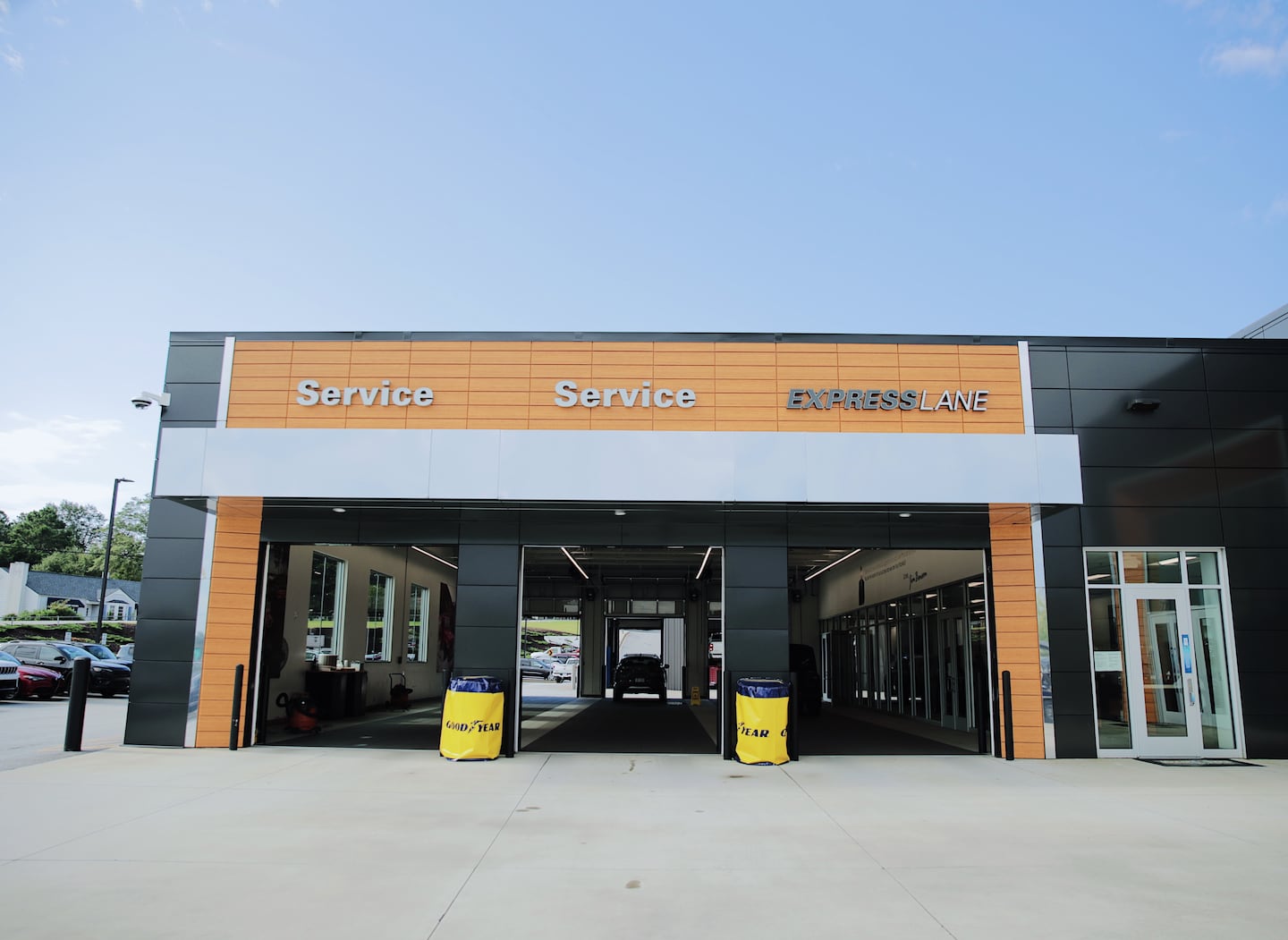
Routine maintenance also provides opportunities for brake checks. Benson's Mopar Express Lane includes tire rotation with brake inspection among its services, while active braking concerns deserve a discussion focused on those symptoms.